Featured Projects
Rip saw tank
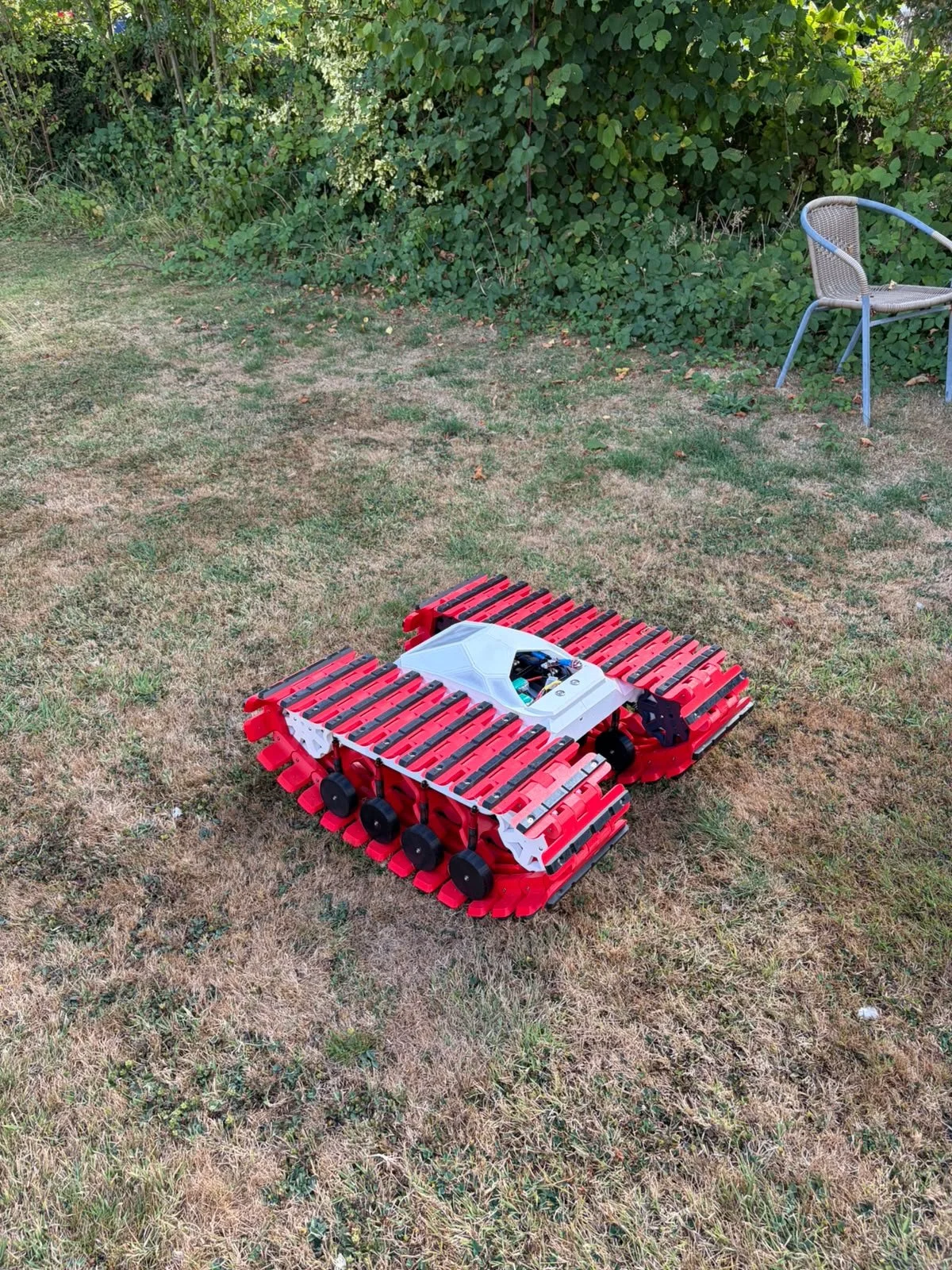
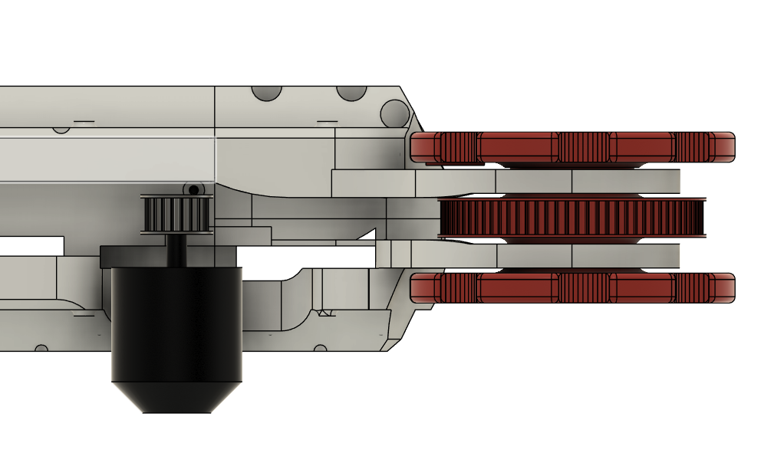
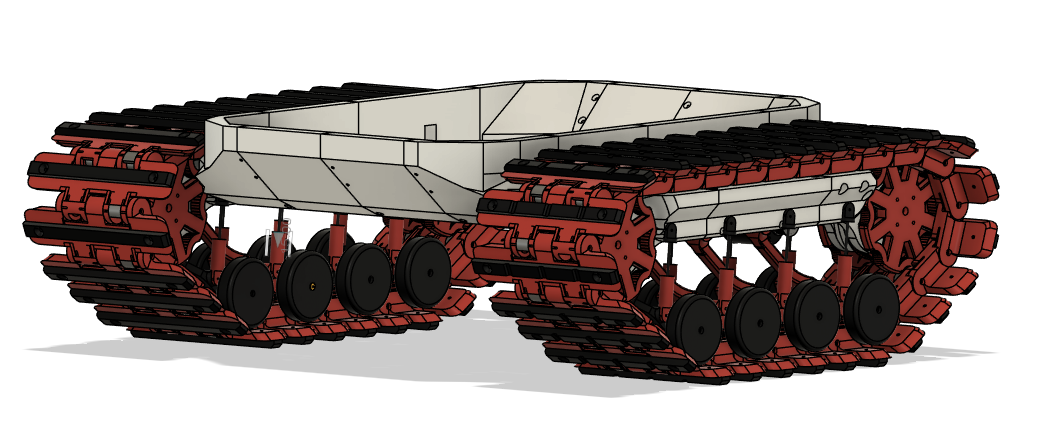
I designed and built this compact Ripsaw tank completely from scratch, using my own ideas, CAD skills and 3D printing to turn a concept into a fully working machine. I used Fusion 360 extensively to model the tank and went through countless iterations to refine the design, fit the components and solve mechanical problems. The majority of the parts were 3D printed in different materials, mainly PETG, with 85A TPU paddles added to the tracks to improve grip on hard surfaces. The tank uses two electric scooter motors controlled by VESC motor controllers and powered by two LiPo batteries, with an RC remote providing control. Each track is independently driven, giving it tank-style steering and allowing it to turn on the spot.
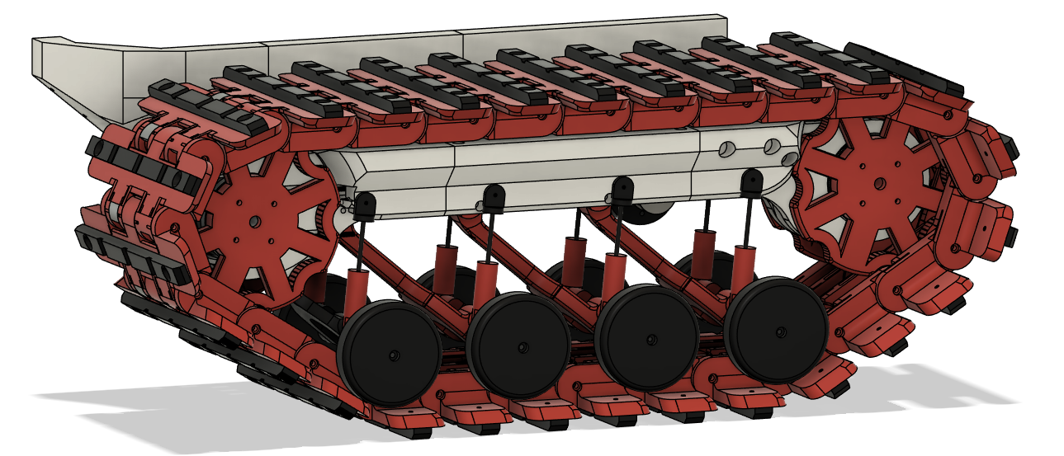
The tracks run around a series of wheels and a powered rear drive sprocket, while the small guide wheels along the bottom also form part of the suspension. These wheels are mounted on arms at roughly 45 degrees, allowing the tracks to deform around obstacles and maintain contact and grip while climbing.
At the front, I designed a sprung free-running sprocket that automatically tensions the track against the rear drive sprocket, preventing track slack and reducing the chance of the track slipping as the suspension moves.
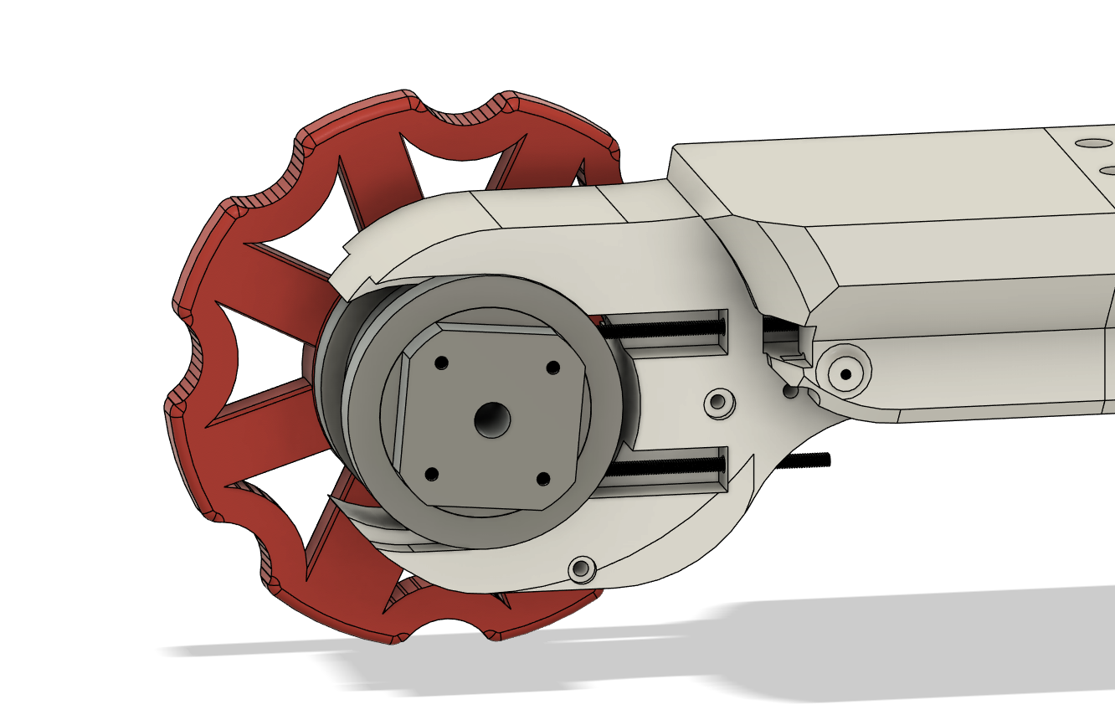
I also focused heavily on keeping the design compact and integrated, hiding the major components within the chassis and even incorporating the large rear drive pulley directly into the 3D-printed rear hub. The tank is extremely fast and powerful thanks to the high-torque e-scooter motors, with enough potential power to eventually explore a larger, human-carrying version of the concept.
Saber-toothed Tiger skull
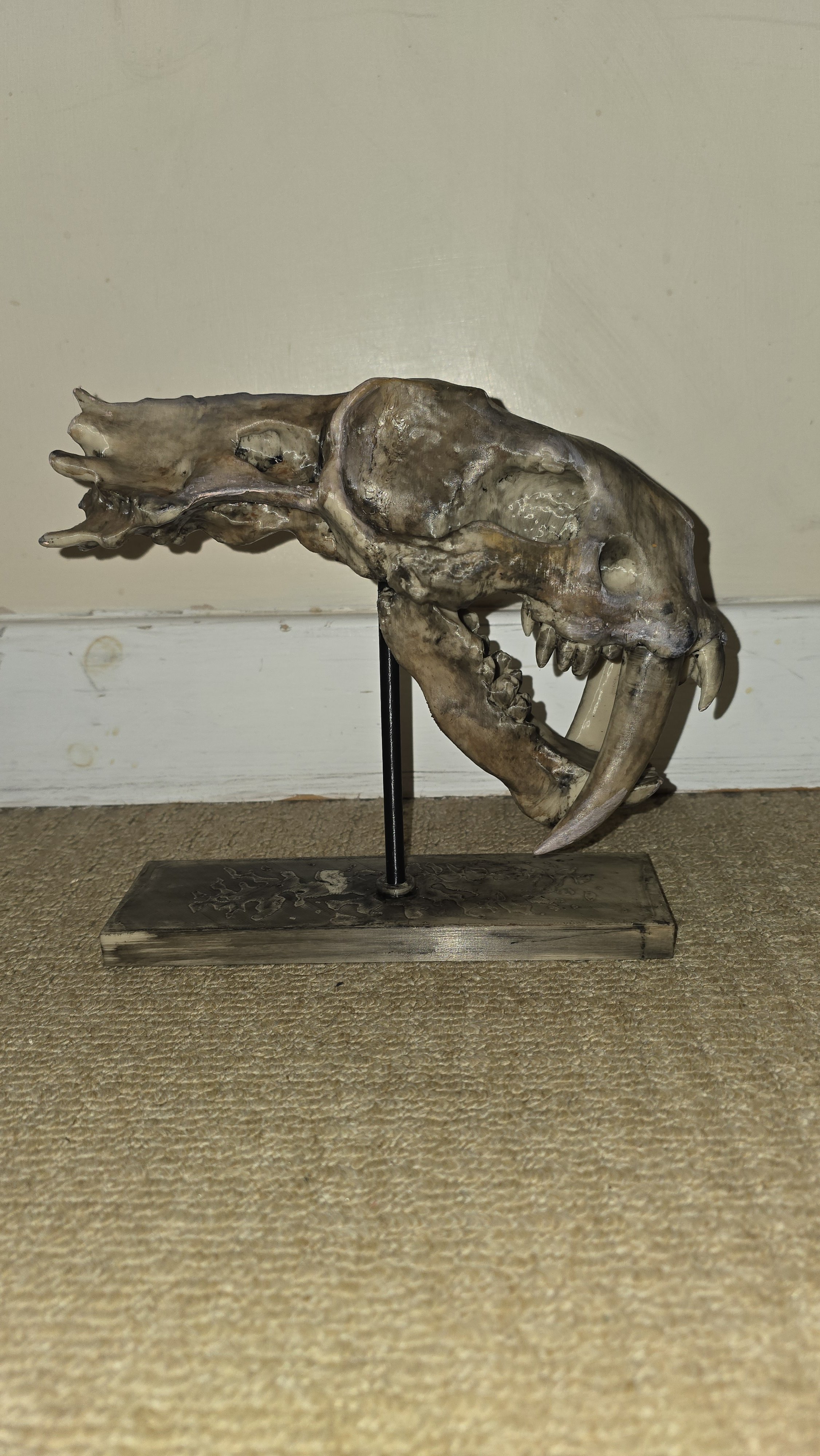
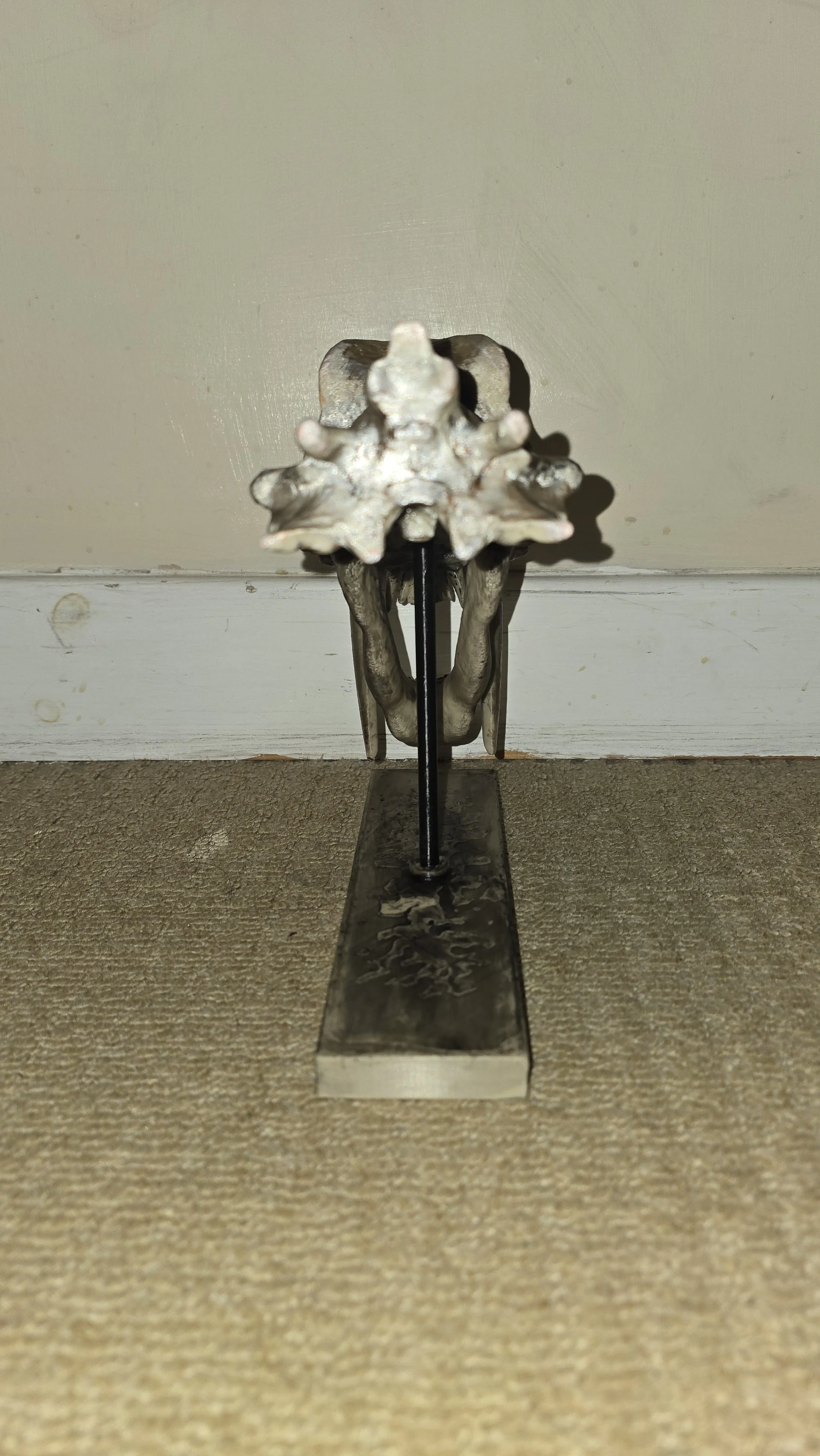
This sabre-toothed tiger skull was created as a commission, including the 3D-printed skull, stand and base. Due to the complexity of the model, careful print orientation was essential to achieve a clean result. Once printed, the skull was thoroughly sanded using a range of grits, while keeping the surface smooth and glossy to help achieve the final finish I was aiming for. The paintwork began with a muddy, bone-white base to give the skull an aged, fossilised appearance.
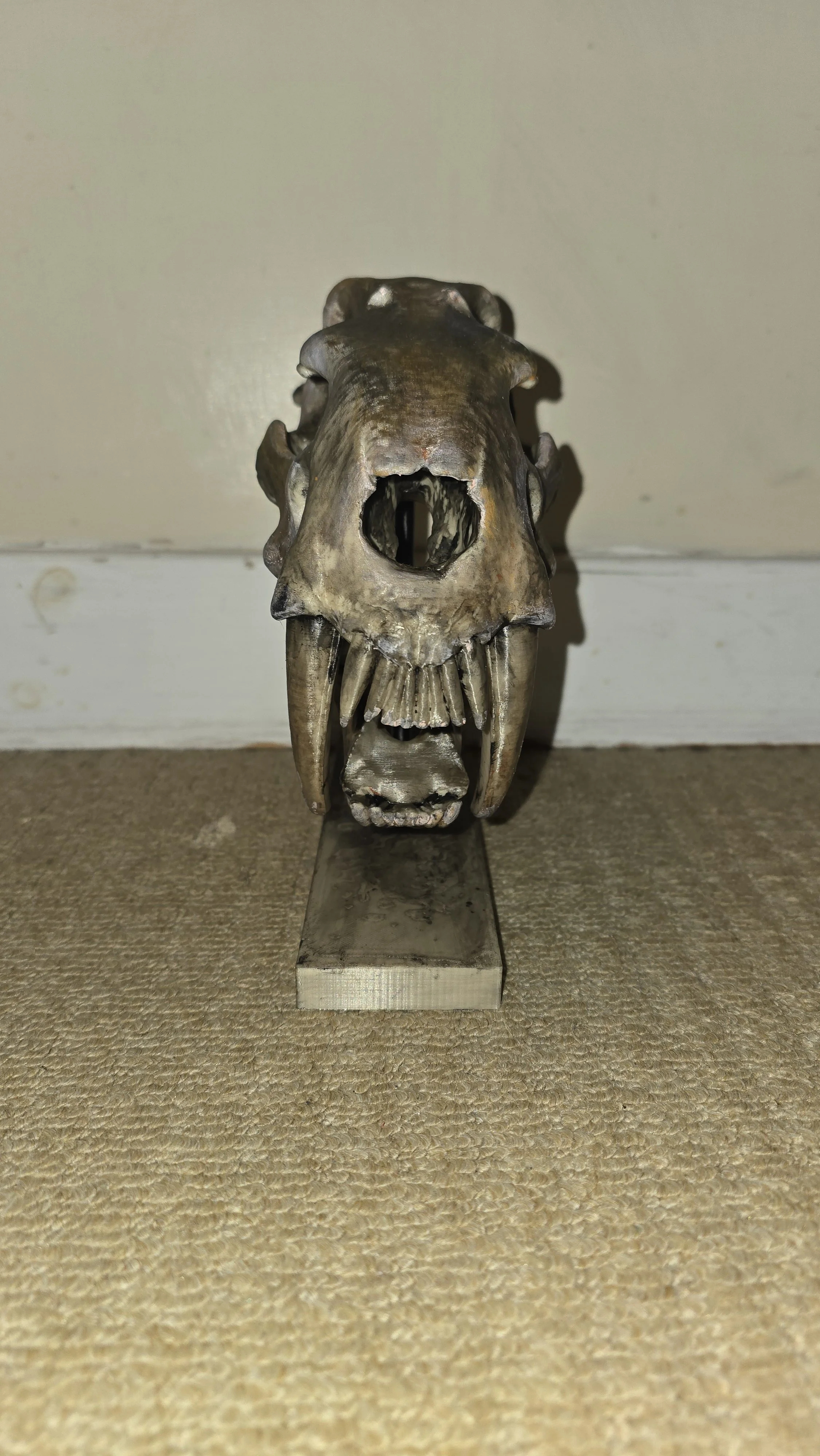
I then repeatedly applied heavily diluted black and brown washes, aggressively working them into the surface before wiping them back, allowing the darker colours to remain in the deeper recesses and create the appearance of built-up dirt, shadows and natural texture. Once the darker tones were established, I added highlights using whites, greys and light browns, dry-brushing and rubbing them across the raised areas to catch the light, particularly along the teeth and pointed sections of the skull.
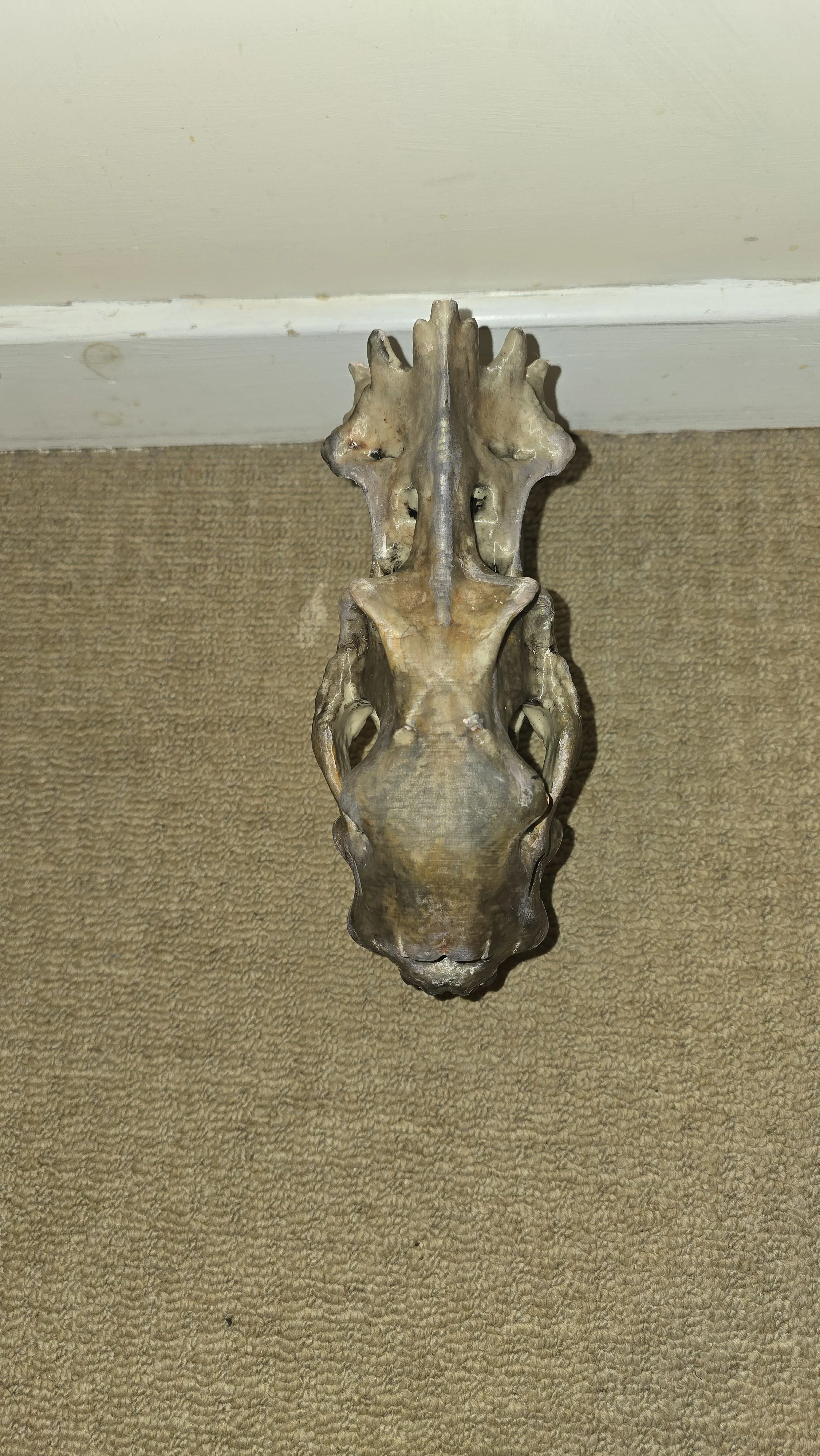
I kept the upper areas lighter while allowing the underside to fall into much darker, almost black tones. The finished piece has the appearance of an old museum fossil, combining weathered bone and deep grime with a slightly disturbing, greasy quality, almost as though the remains had only recently finished decaying.